
Digital Scaffold Method ADHD: Build Your External Brain System
Discover the Digital Scaffold Method ADHD approach—learn how to build an external brain using technology, structure, and neuroscience to support focus and executive function.
Elias J. Mitchell
10/27/20255 min read
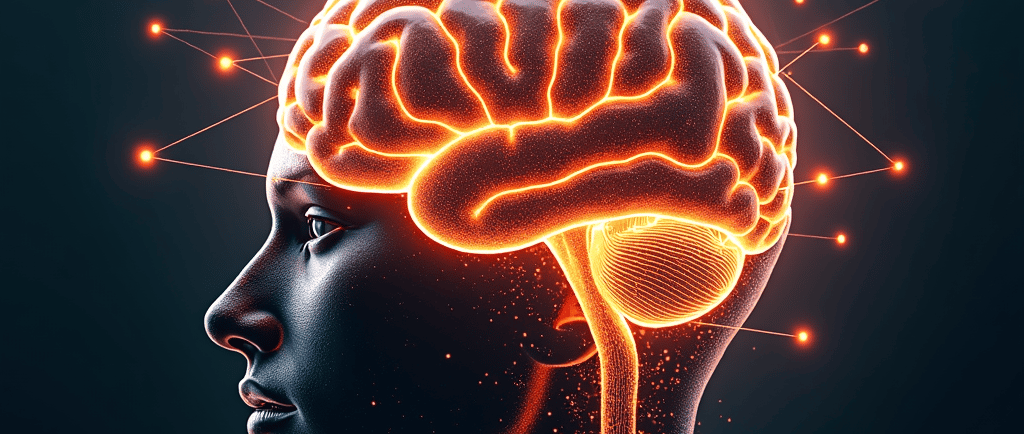
The Digital Scaffold Method: How Technology Becomes Your External Brain
Imagine you’re an architect tasked with building a magnificent, complex structure. You have a brilliant vision in your mind. But there’s a catch: you have to do everything yourself. You have to lay the foundation, weld the beams, run the electrical, and paint the walls, all while still holding the entire blueprint in your head.
You’d be exhausted, overwhelmed, and constantly terrified of forgetting a crucial detail. Your brilliant vision would be crushed under the sheer weight of execution.
If you have an ADHD brain, this isn’t a metaphor; it’s your daily reality. Your brain is the brilliant architect, full of creative and innovative ideas. But it’s also trying to be the entire construction crew, project manager, and security guard all at once. It’s trying to do everything alone, and it’s exhausting.
As an author and researcher who has spent years exploring the intersection of neuroscience and technology, I’ve seen this pattern of burnout again and again. But I've also seen the incredible transformation that occurs when we stop asking our brain to do everything and start giving it the support it needs.
The Solution Isn't a Better Brain—It's a Better Support Structure
For years, the advice for ADHD has been to try and "train" the architect to also be a better construction worker—to have a better memory, more focus, more discipline. This is a recipe for shame and frustration.
A real architect doesn't do everything alone. They rely on a crucial external support system: scaffolding. The scaffolding holds the workers, the materials, and the tools, allowing the architect to focus on bringing the vision to life.
This is the exact approach we need to take with our minds. The solution isn't to force your brain to be better; it's to build it a better support structure. This is what I call the Digital Scaffold Method.
What Is a "Digital Scaffold," and How Does It Work?
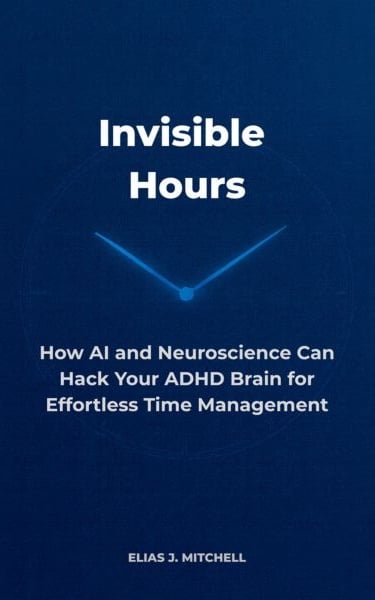
The Digital Scaffold Method is a revolutionary approach to ADHD time management that I detail in my book, Invisible Hours. It’s the practice of using modern, smart technology to build a personalized, external support system for your brain. It is, quite literally, using technology as an external brain.
It’s an External Support System for Your Executive Functions
Your brain’s executive functions—planning, prioritizing, working memory, task initiation—are the "construction crew." For the ADHD brain, this crew can be inconsistent. A Digital Scaffold acts as a reliable, 24/7 support system for this crew. It uses technology to handle the tasks that your internal crew struggles with, like remembering appointments, tracking time, and organizing information.
It’s a Personalized Ecosystem, Not Just Another App
This is not about finding one "magic bullet" app that will solve all your problems. That’s the path that leads to a graveyard of failed systems . A Digital Scaffold is an ecosystem of simple, specialized tools that you choose and connect to fit your unique brain . It’s a digital cognitive scaffolding system that is built by you, for you. It’s flexible, adaptable, and designed to evolve as your life changes.
The 3 Core Principles of an Effective Digital Scaffold
While your personal scaffold will be unique, every strong and stable structure is built on three foundational principles.
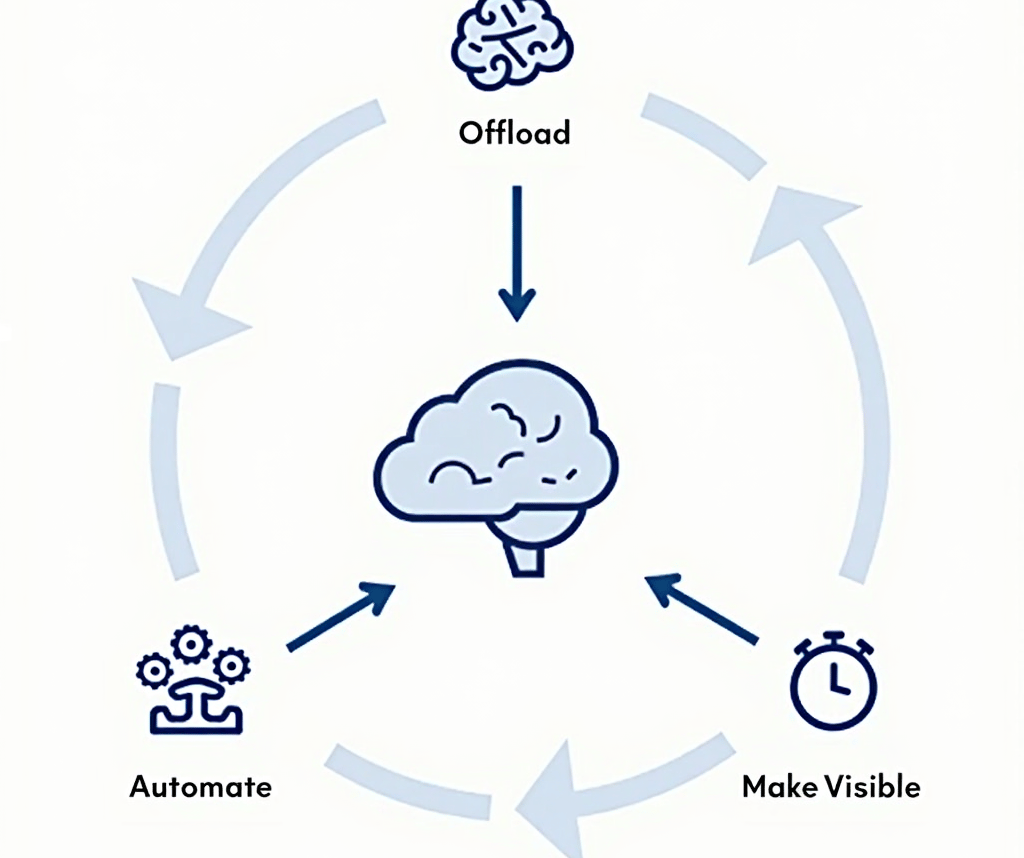
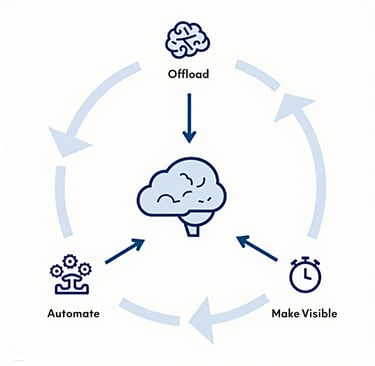
Principle 1: Offload the Burden (Capture Everything Externally)
The ADHD brain struggles with a limited working memory, like a computer with not enough RAM . The first job of your scaffold is to act as an external hard drive. Every task, idea, appointment, and "thing to remember" must be immediately offloaded from your brain into a trusted external tool. This act of cognitive offloading is the single most effective way to reduce the mental load and anxiety that comes from trying to hold everything in your head at once.
Principle 2: Automate the Mundane (Reduce Your Cognitive Load)
Every small, repetitive task—like creating a to-do list from starred emails or setting reminders for meeting prep—drains your limited executive function reserves. Your Digital Scaffold should automate these mundane tasks whenever possible. Using simple tools like IFTTT (If This Then That), you can create workflows that act as your personal administrative assistant, saving your precious mental energy for the creative and complex work you do best.
Principle 3: Make the Invisible Visible (Externalize Time and Progress)
The ADHD brain often struggles with "time blindness"—an inability to intuitively sense the passage of time. Your scaffold must make time a concrete, visible object in your environment. This means using visual timers, color-coded calendars, and project dashboards that show progress visually. When you can see your time and your progress, you move from a state of anxious guesswork to one of calm, data-driven clarity.
From Blueprint to Construction: How to Build Your First Scaffold
Building your ADHD digital scaffolding is an empowering, creative act. It’s a declaration that you are done with shame and self-blame, and you are ready to start building a system that truly supports you.
It doesn’t require you to be a tech genius. It starts with one small, simple step: identifying a single point of friction in your day and finding one simple tool to support it. You are the architect, and the technology available to us today provides an incredible inventory of building materials.


Ready to Stop Juggling and Start Building Your Support System?
You don't need more willpower; you need a better scaffold. Your brain is a brilliant architect; it's time to give it the support crew it deserves.
In my book, Invisible Hours: How AI and Neuroscience Can Hack Your ADHD Brain for Effortless Time Management, I provide the complete architectural blueprints for designing and constructing a personalized digital scaffold that supports your unique ADHD brain, from the ground up.
Elias J. Mitchell writes about time management, productivity, and mindset, blending practical strategies with the smart use of AI to help readers work smarter and live better.