
Smart Technology for ADHD: A Science-Backed Revolution
Stop fighting your ADHD brain. Discover how smart technology for ADHD, powered by neuroscience, builds intelligent, personalized systems for better focus and time management.
Elias J. Mitchell
10/29/20255 min read
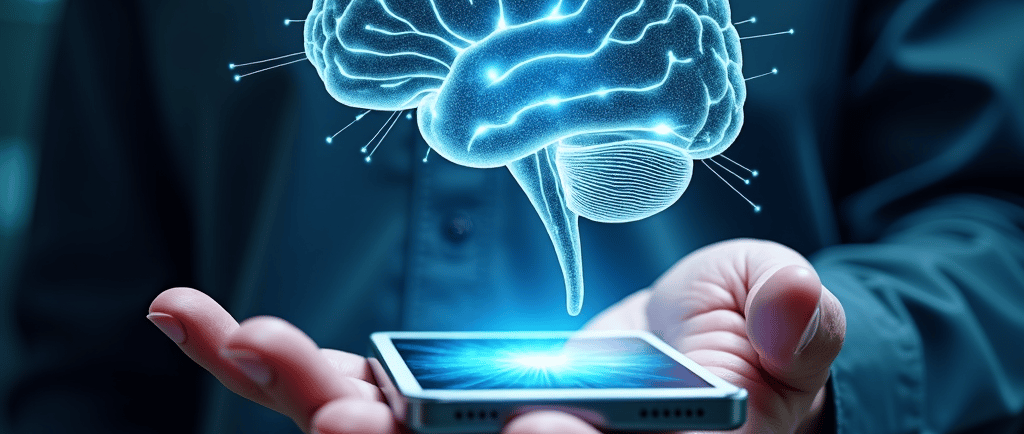
Smart Technology Meets ADHD Science: Your Personal Time Management Revolution
For years, technology promised us a revolution. It promised to make us more organized, more efficient, and more in control of our time. We downloaded the calendar apps, the to-do list managers, and the focus timers with a sense of hope. We believed the right app would finally be the magic bullet that would tame the chaos of our ADHD brains.
But for many of us, that revolution never came. The alarms became annoying noise we learned to ignore. The to-do lists grew into overwhelming monuments of our own failure. The apps, once symbols of hope, ended up in a forgotten folder on our phones—a digital graveyard of good intentions.
As an author who has spent years exploring this exact problem, I've come to a firm conclusion: the promise wasn't broken, it was just incomplete. The problem was that we were using "dumb" technology. Today, we stand on the cusp of a true personal time management revolution, one where genuinely smart technology, guided by ADHD science, is finally delivering on that long-awaited promise.
The Missing Link: Why Technology Alone Was Never Enough
The fatal flaw in the first wave of productivity tech was that it was designed without a user manual for the brain it was supposed to help. These tools were built on a neurotypical foundation—the assumption that a simple reminder or a digital list is enough to prompt action.
But they failed to account for the core features of the ADHD science technology gap:
They didn't address time blindness, our brain's inability to intuitively sense the passage of time.
They didn't account for our dopamine-driven motivation, meaning they were often too boring to hold our interest.
They didn't solve for our working memory challenges, often becoming just another thing to try (and fail) to remember to check.
A tool without a deep understanding of the user is just a gadget. To be truly effective, our technology needs to be guided by the clear blueprint of the ADHD brain that neuroscience has given us.
The Revolution: When ADHD Science Becomes the "Operating System" for Your Tech
This is where the real revolution begins. We are the first generation to live in an era where our deep, scientific understanding of the ADHD brain can be paired with technology that is intelligent and adaptive enough to act on that knowledge.
Think of it this way: ADHD science is the operating system (OS). Smart technology is the suite of apps that runs on it.
When you run apps on the wrong OS, they crash. This is what we’ve been doing for years—trying to run neurotypical "apps" on our ADHD "OS." But when you start using tools that are specifically designed for your brain's unique architecture, everything changes. This is the new frontier of intelligent ADHD solutions.
What Makes a Tool "Smart" for the ADHD Brain?
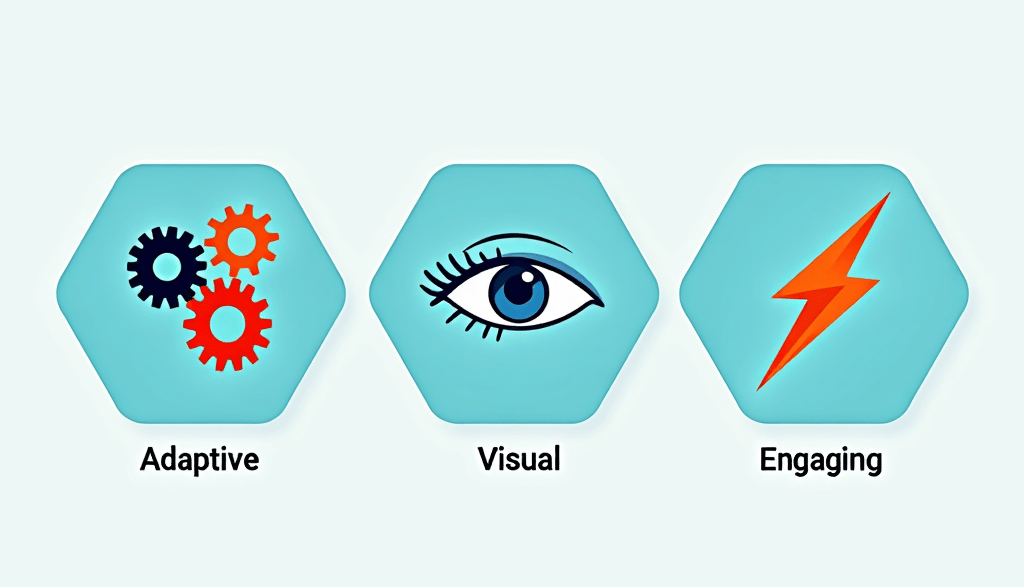
So what separates a "dumb" tool from a "smart" one in this context? It's not about having more features. In fact, it's often the opposite. Smart ADHD tools are built on three core principles that directly address the challenges of the ADHD brain.
It's Adaptive and Personalized, Not One-Size-Fits-All
A "dumb" planner has the same layout for everyone. A smart ADHD system learns and adapts to you. It might notice which tasks you consistently underestimate and suggest adding more time. It allows for the flexibility your non-linear brain needs, making it easy to move things around when a burst of hyperfocus or an unexpected crisis derails your original plan.
It's Visual and External, Not Just a List of Words
The ADHD brain is a visual brain. We need to see time and tasks to truly process them. A "dumb" to-do list is just a wall of text. Smart ADHD tools are highly visual. They use color, size, and spatial relationships to convey information. They turn time into a shrinking pie chart or a day into a colorful series of blocks, offloading the immense cognitive burden of organization from your brain into your line of sight.
It's Engaging and Dopamine-Friendly, Not a Boring Chore
A "dumb" alarm is just an annoying sound. A "smart" tool understands that the ADHD brain runs on engagement. It uses principles of gamification—like growing a virtual tree for staying focused (Forest app) or earning points for completing habits—to provide the small, consistent hits of dopamine your brain needs to stay motivated. It turns a boring chore into an interesting challenge.
From Theory to Practice: What Intelligent ADHD Solutions Look Like
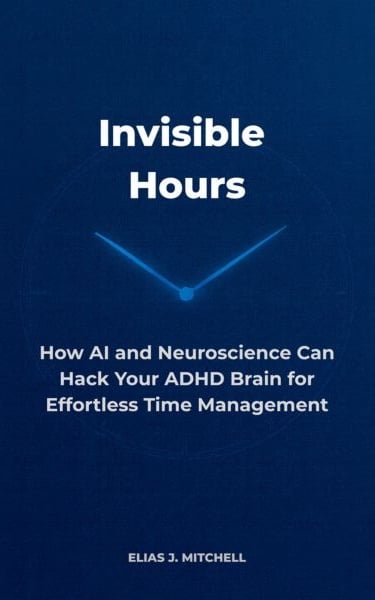
This isn't science fiction. These tools and strategies are available right now, and they form the core of the systems I teach in my book, Invisible Hours.
An intelligent ADHD solution might be an AI assistant that sorts your chaotic, brain-dumped notes into a prioritized action plan. It could be a smart home routine that changes the color of your lights to signal the end of the workday, providing a powerful environmental cue to help with transitions. Or it might be a simple, automated workflow that sends a starred email directly to your to-do list, closing an "open loop" in your brain.
It’s Time to Lead Your Own Personal Revolution
You no longer have to settle for technology that wasn't built for you. You no longer have to feel like you are the one who is broken when a system fails.
The synergy of smart technology and ADHD science has handed you the power to become the architect of your own support system. You can now build a personalized, adaptive, and even enjoyable system that works with your brain's natural strengths, not against them. This is your personal time management revolution.


Ready to Start Your Own Personal Time Management Revolution?
This isn't about finding another app to add to the digital graveyard; it's about learning to build a smarter, science-backed system. It's time to use tools that are finally as intelligent as your own creative mind.
In my book, Invisible Hours: How AI and Neuroscience Can Hack Your ADHD Brain for Effortless Time Management, I'll give you the complete guide to integrating smart technology with ADHD science to build a life of effortless control and clarity.
Elias J. Mitchell writes about time management, productivity, and mindset, blending practical strategies with the smart use of AI to help readers work smarter and live better.